
Neurological Expertise
Conditions We Treat
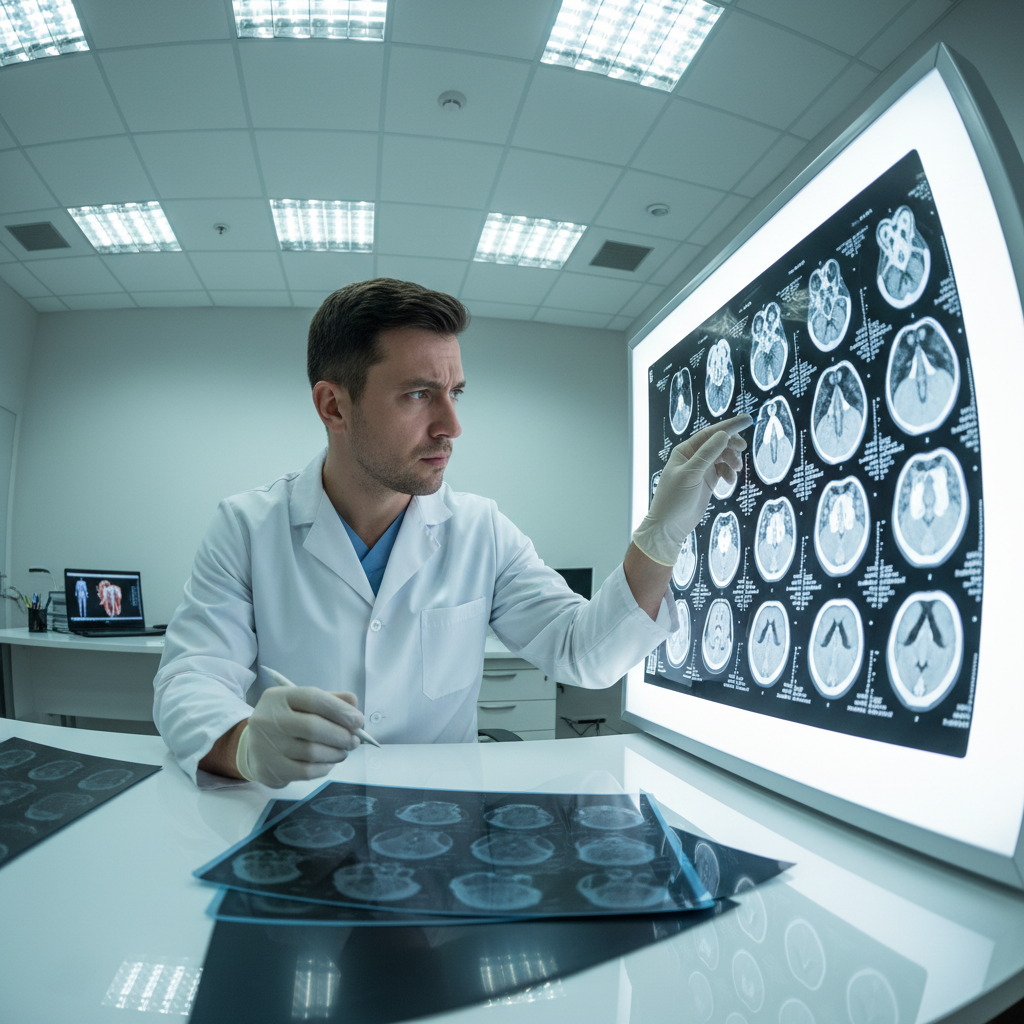
At Blacksburg Neurology, P.C., we provide expert evaluation and long-term management for a comprehensive range of neurological conditions. With nearly two decades of experience, Dr. Huntsman brings precision, compassion, and deep clinical expertise to every diagnosis.

Migraines & Chronic Headaches
Migraine is a complex neurological disorder characterized by recurrent, often debilitating headache episodes that can last from 4 to 72 hours. Far more than just a "bad headache," migraines involve changes in brain chemistry and blood flow that produce a cascade of neurological symptoms. Chronic migraine — defined as 15 or more headache days per month — significantly impairs quality of life and requires specialized management.
Common Symptoms
- Moderate to severe throbbing or pulsating head pain, typically one-sided
- Nausea, vomiting, and sensitivity to light and sound
- Visual disturbances (aura) — flashing lights, zigzag lines, or temporary vision loss
- Sensory changes including tingling or numbness
- Difficulty concentrating and cognitive "fog"
- Neck stiffness and fatigue before or after episodes
Our Treatment Approach
Our headache clinic employs a systematic, evidence-based approach to migraine management. We begin with a thorough diagnostic evaluation to classify your headache type accurately, identify triggers, and rule out secondary causes. Treatment strategies include acute (abortive) medications for individual attacks, preventive medications to reduce frequency and severity, CGRP antagonist therapies (the newest class of migraine-specific treatments), lifestyle modification protocols, and patient education. Many patients experience dramatic reductions in headache frequency within the first few months of targeted care.
Epilepsy & Seizure Disorders
Epilepsy is one of the most common neurological conditions, affecting approximately 3.4 million Americans. It is characterized by recurrent, unprovoked seizures resulting from abnormal electrical activity in the brain. Seizures can take many forms — from brief lapses in awareness to full convulsive episodes — and accurate classification is essential to selecting the most effective treatment.
Common Symptoms
- Convulsions or rhythmic jerking movements of the limbs
- Sudden loss of consciousness or awareness
- Staring spells or brief "absence" episodes
- Unusual sensations, emotions, or déjà vu
- Temporary confusion or memory gaps after episodes
- Automatisms — repetitive, purposeless movements
Our Treatment Approach
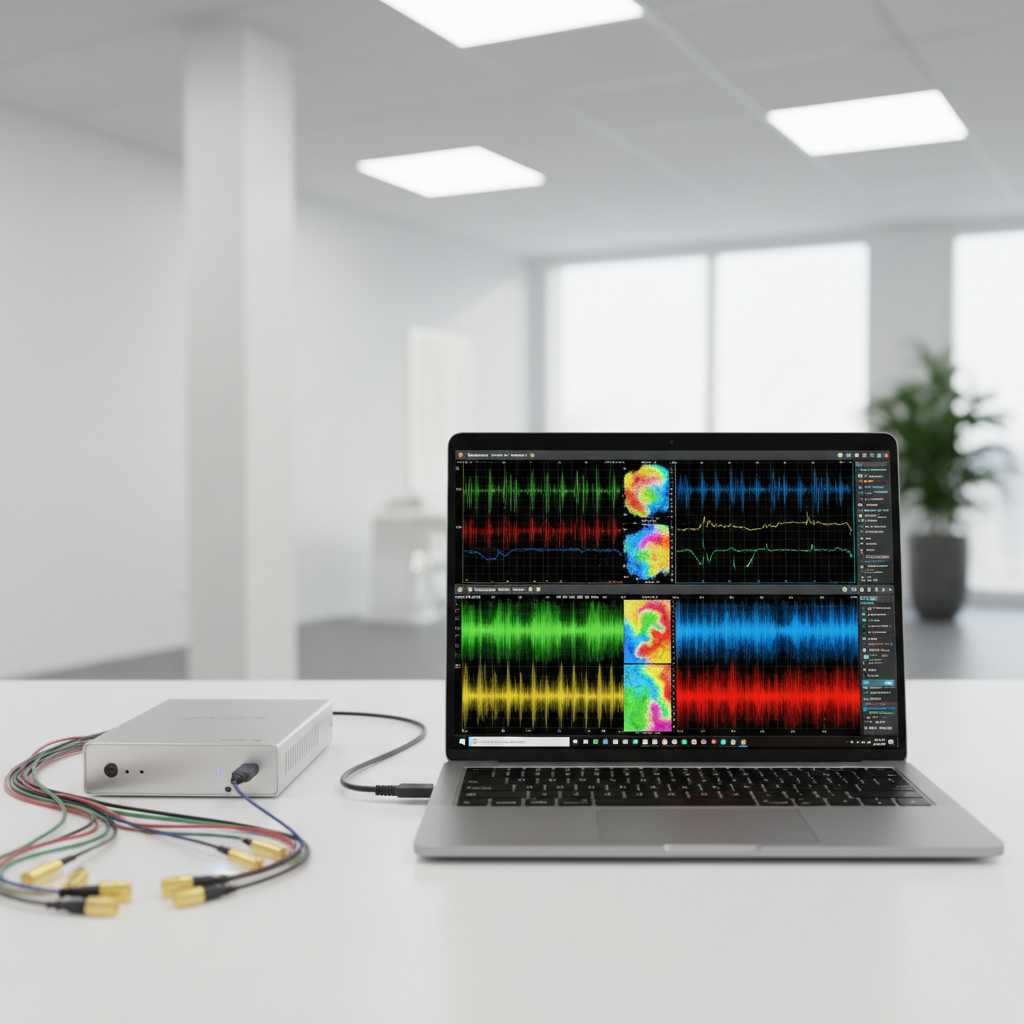
We provide comprehensive epilepsy evaluation including on-site EEG monitoring, detailed seizure history analysis, and review of neuroimaging. Treatment is individualized based on seizure type, frequency, and patient lifestyle. We manage anti-epileptic medication selection and titration, monitor for medication side effects, and coordinate with surgical epilepsy programs for patients with medically refractory epilepsy. Our goal is to achieve the best possible seizure control with the fewest limitations on daily life.
Peripheral Neuropathy
Peripheral neuropathy refers to damage or dysfunction of the peripheral nerves — the vast network of nerves outside the brain and spinal cord that transmit signals between the central nervous system and the rest of the body. It can affect sensory nerves (causing pain and numbness), motor nerves (causing weakness), or autonomic nerves (affecting internal organ function). Causes include diabetes, vitamin deficiencies, autoimmune conditions, toxic exposures, and hereditary factors.
Common Symptoms
- Numbness, tingling, or burning sensations in the hands and feet
- Sharp, stabbing, or electric shock-like pain
- Extreme sensitivity to touch — even light contact is painful
- Muscle weakness or loss of coordination
- Balance problems and increased fall risk
- Autonomic symptoms: dizziness, digestive issues, abnormal sweating
Our Treatment Approach
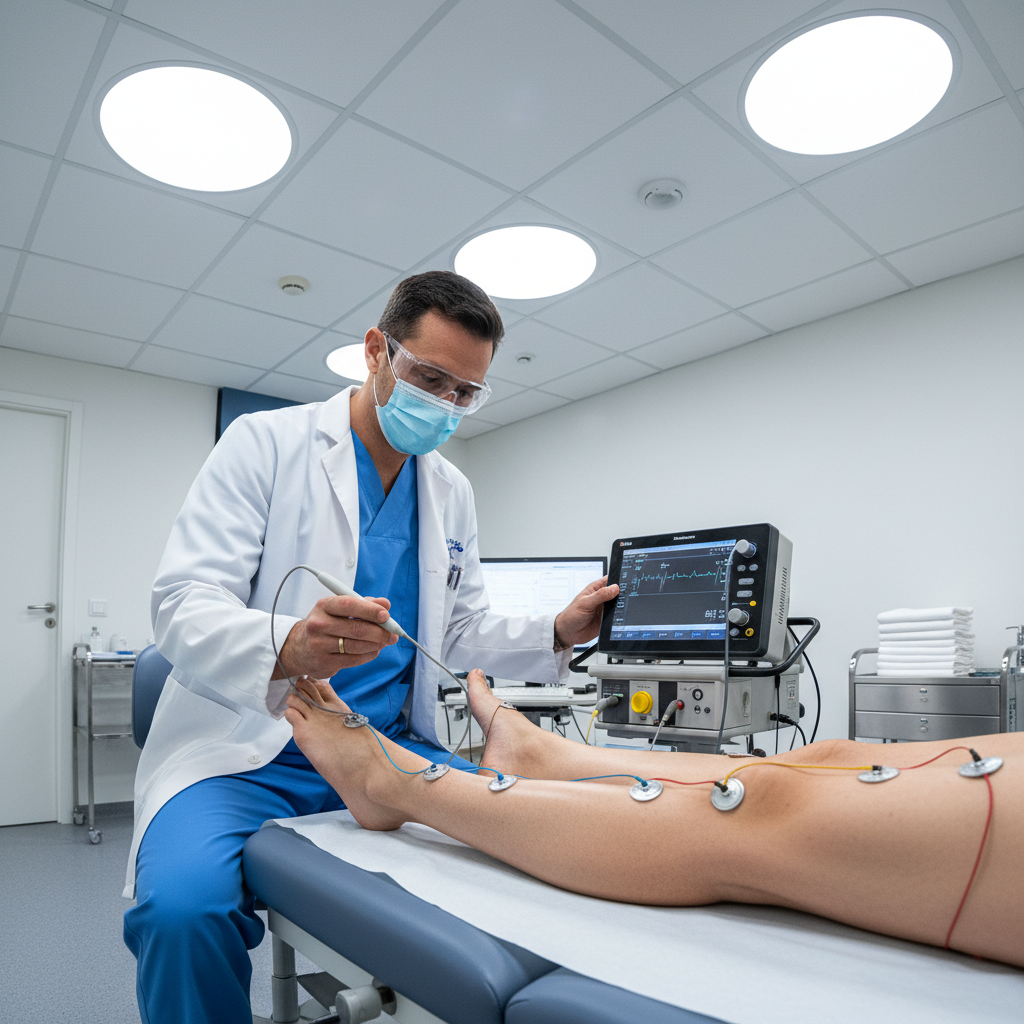
Accurate diagnosis of the underlying cause is the cornerstone of effective neuropathy treatment. We utilize on-site EMG and nerve conduction studies to characterize the pattern and severity of nerve involvement. Treatment addresses both the underlying etiology (e.g., optimizing diabetic control, correcting nutritional deficiencies, treating autoimmune causes) and symptom management through targeted medications. Many patients who were told their neuropathy was untreatable experience meaningful improvement with our systematic approach.

Parkinson's Disease
Parkinson's disease is a progressive neurodegenerative disorder caused by the loss of dopamine-producing neurons in the brain. It is the second most common neurodegenerative disease after Alzheimer's, affecting approximately one million Americans. While Parkinson's is most recognized for its motor symptoms, it also produces a wide range of non-motor symptoms that significantly impact quality of life. Early and accurate diagnosis is critical to initiating treatment that can slow functional decline.
Common Symptoms
- Resting tremor — typically beginning in one hand
- Bradykinesia — slowness of movement and reduced arm swing
- Muscle rigidity and stiffness
- Postural instability and balance difficulties
- Micrographia — small, cramped handwriting
- Non-motor symptoms: sleep disturbances, depression, cognitive changes, constipation
Our Treatment Approach
Our approach to Parkinson's disease management begins with a thorough clinical evaluation to confirm the diagnosis and assess disease stage. We develop individualized treatment plans incorporating dopaminergic medications (levodopa, dopamine agonists), medication timing optimization, and coordination with physical and occupational therapy. We monitor disease progression closely and adjust treatment strategies as the condition evolves, always with the goal of maximizing function and quality of life.
Multiple Sclerosis
Multiple sclerosis (MS) is a chronic autoimmune disease in which the immune system attacks the myelin sheath — the protective covering of nerve fibers — in the brain and spinal cord. This demyelination disrupts the transmission of nerve signals, producing a wide variety of neurological symptoms. MS affects approximately one million Americans and most commonly presents in young adults between ages 20 and 40. The course of MS varies widely between individuals.
Common Symptoms
- Vision problems — blurred vision, double vision, or optic neuritis
- Numbness, tingling, or weakness in limbs
- Balance and coordination difficulties
- Fatigue — often described as profound and disproportionate to activity
- Cognitive changes — difficulty with memory, concentration, and processing speed
- Bladder and bowel dysfunction
Our Treatment Approach
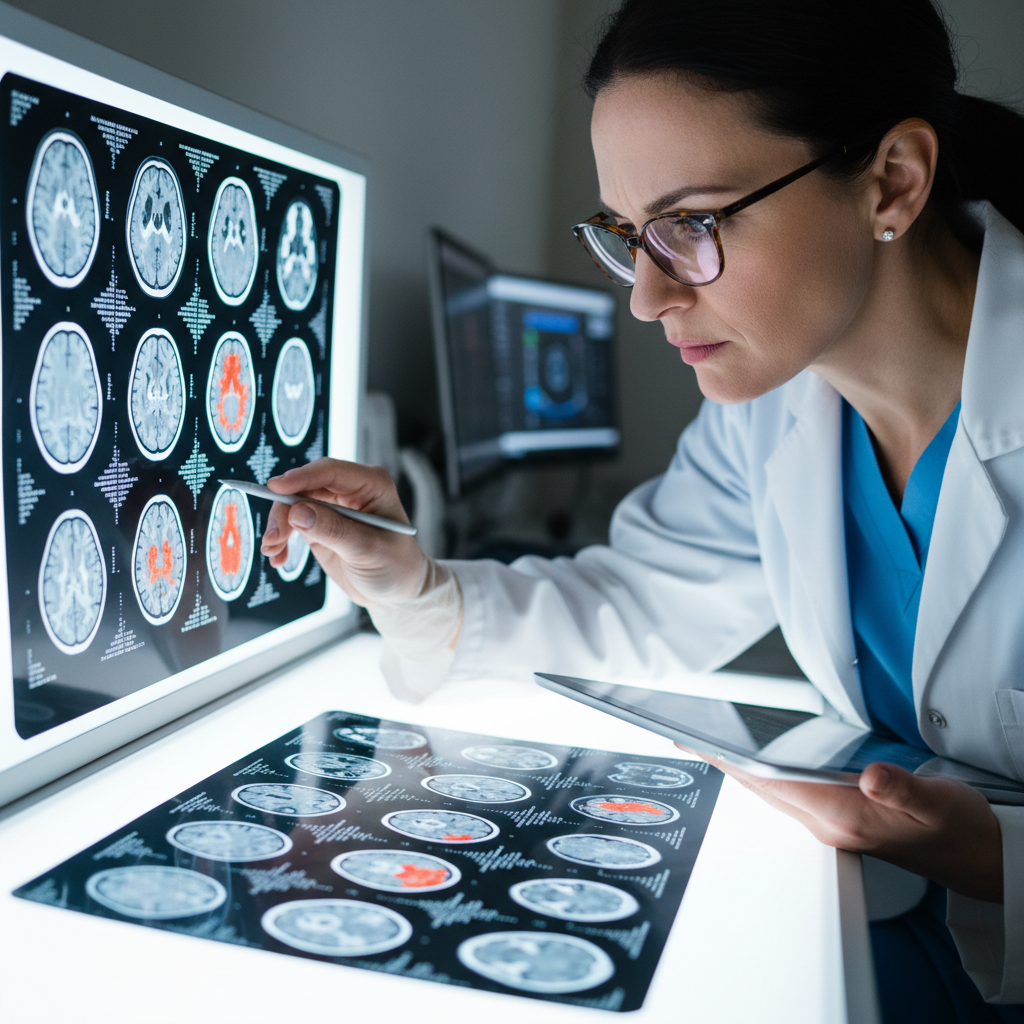
We provide comprehensive MS evaluation including clinical assessment, review of MRI findings, and coordination of additional diagnostic testing as needed. For patients with established MS diagnoses, we manage disease-modifying therapies (DMTs) — the medications that reduce relapse frequency and slow disease progression. We also address symptom management, monitor for treatment side effects, and coordinate multidisciplinary care with physical therapy, urology, and other specialists as needed.

Stroke & Cerebrovascular Conditions
Stroke is a medical emergency that occurs when blood supply to part of the brain is interrupted (ischemic stroke) or when a blood vessel in the brain ruptures (hemorrhagic stroke). A transient ischemic attack (TIA) — sometimes called a "mini-stroke" — produces stroke-like symptoms that resolve within 24 hours but represents a critical warning sign of impending stroke. Cerebrovascular disease encompasses a broad spectrum of conditions affecting the blood vessels of the brain.
Common Symptoms
- Sudden numbness or weakness of the face, arm, or leg — especially on one side
- Sudden confusion, trouble speaking, or difficulty understanding speech
- Sudden vision problems in one or both eyes
- Sudden severe headache with no known cause
- Sudden dizziness, loss of balance, or coordination problems
- Post-stroke: persistent weakness, speech difficulties, cognitive changes
Our Treatment Approach
Following a stroke or TIA, timely neurological evaluation is critical to preventing recurrence. We provide comprehensive stroke workup including assessment of stroke mechanism, vascular risk factor evaluation, and review of cardiac and vascular imaging. Our management focuses on secondary stroke prevention through antiplatelet or anticoagulant therapy, aggressive vascular risk factor control (hypertension, diabetes, hyperlipidemia), and coordination of rehabilitation services. We provide the long-term neurological follow-up essential in the months and years after a cerebrovascular event.

Memory Disorders & Dementia
Memory disorders and dementia represent a spectrum of conditions characterized by progressive cognitive decline that interferes with daily functioning. Alzheimer's disease is the most common cause of dementia, accounting for 60–80% of cases. Other forms include vascular dementia, Lewy body dementia, and frontotemporal dementia. Mild cognitive impairment (MCI) represents an intermediate stage between normal aging and dementia. Early, accurate diagnosis is essential to appropriate management and family planning.
Common Symptoms
- Memory loss that disrupts daily life — especially forgetting recently learned information
- Difficulty with problem-solving, planning, or following familiar tasks
- Confusion with time, dates, or place
- Trouble understanding visual images or spatial relationships
- New problems with words — difficulty finding words or following conversations
- Changes in mood, personality, or behavior
Our Treatment Approach
We conduct detailed cognitive assessments using validated neuropsychological screening tools, review neuroimaging, and coordinate laboratory testing to arrive at an accurate diagnosis. We distinguish between treatable causes of cognitive decline (thyroid disorders, vitamin deficiencies, medication effects) and neurodegenerative conditions. For patients with established dementia diagnoses, we provide ongoing management of cognitive and behavioral symptoms, coordinate with family caregivers, and connect patients with community resources. We approach these conversations with sensitivity, clarity, and a commitment to supporting both the patient and their loved ones.
Begin Your Care
Don't Wait for Answers. Get Expert Care.
If you or a loved one is experiencing neurological symptoms, early evaluation is the most important step. Contact Blacksburg Neurology, P.C. to schedule a comprehensive consultation with Dr. Huntsman.